










PGA of America: Building the Next Generation of Coaches
Today’s coaches need more than knowledge of the golf swing. They need to understand the data, identify what matters and communicate it in a way that helps every player improve. By combining PGA of America education with Trackman technology, coaches can turn objective information into clearer instruction, measurable progress and better outcomes.
Every Path Starts With Education
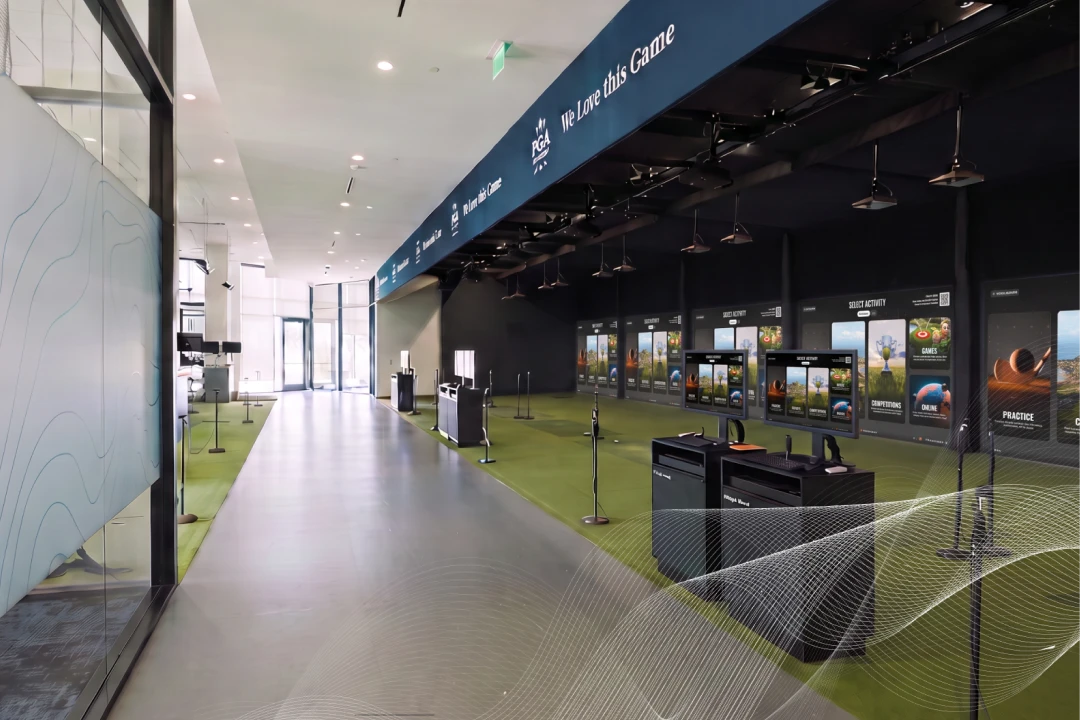
Every coaching career begins with a foundation. PGA of America comprises more than 30,000 PGA of America Golf Professionals and develops future Members through two primary pathways: the PGA Professional Golf Management Associate Program and the PGA Golf Management University Program, offered at 16 accredited universities nationwide. Continuing education helps existing Members develop as the profession — and the technology around it — evolves.
learning That Evolves With the Game
PGA of America education is a fundamental part of the pathway to becoming a PGA of America Golf Professional, and it supports future and current PGA Professionals throughout their careers. Through associate training, university partnerships and continuing Member education, the curriculum continues to evolve alongside the profession and prepare each generation for the opportunities ahead.
Find Your journey in Golf
PGA of America education also reflects the many directions a career in golf can take. Through specialized pathways, aspiring professionals can develop the skills required for roles ranging from golf operations and executive management to teaching and coaching. Tim Cusick, Head Coach at the PGA of America Coaching Center, has seen that specialization become an increasingly important part of the education.
“Nowadays, there’s a lot more specializing. And that’s where the PGA of America education has really taken a page from. You have golf operations. You have teaching and coaching. And then you have executive management.”

Tim Cusick
Head Coach, PGA of America Coaching Center

A Tool for Deeper Understanding
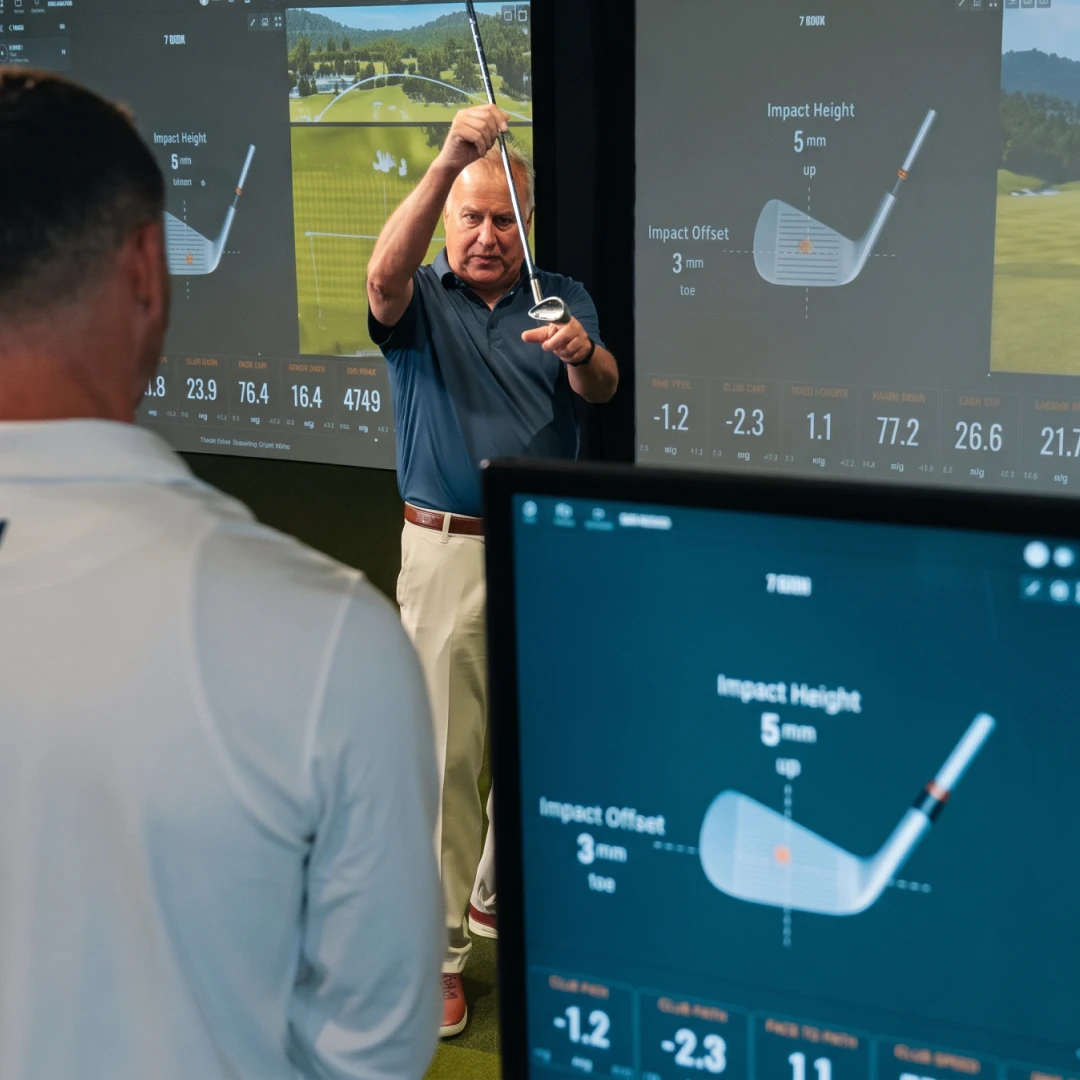
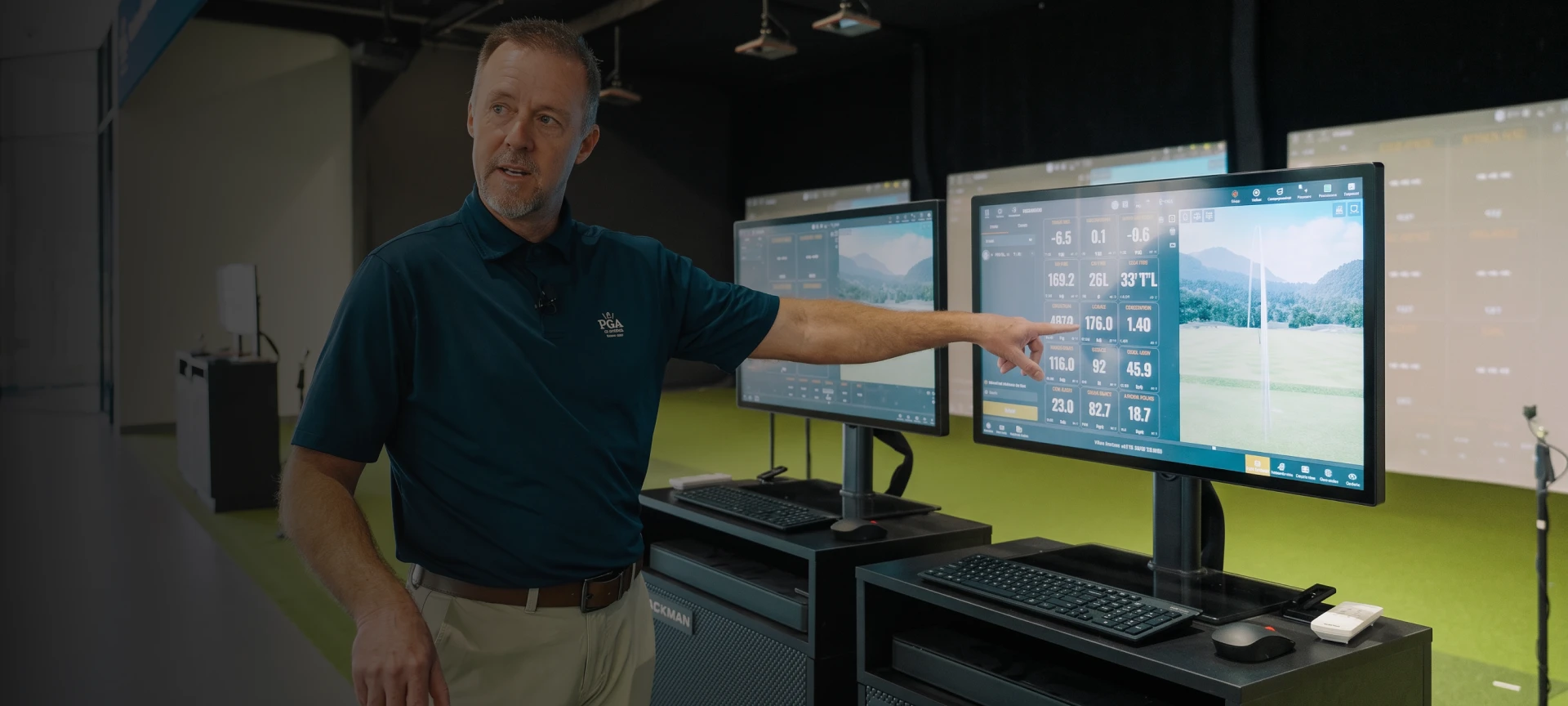
Over the years, Trackman has become an integral part of teaching and coaching education at PGA of America. Experience remains essential to great coaching, but Trackman gives coaches objective ball and club data that can confirm what they see, reveal what they cannot and establish a baseline for tracking change over time. For PGA of America Senior Faculty Member Eric Hogge, access to objective information transformed his understanding of the game.
“When Trackman first came out, it seemed like it was light years ahead. So it resonated with me almost immediately, because I am a quantitative or a digital thinker. My understanding was explosive at that point.”

Eric Hogge
Senior Faculty Member, PGA of America

Turning Expertise Into an Advantage
With a background in teaching and coaching, PGA of America Member Jonathan Buchanan saw how difficult it could be for golfers in urban areas to find convenient places to practice. Inspired by the potential of indoor golf, he opened Dallas’ first indoor golf facility in 2018, creating a concept that has since grown to three locations. Trackman technology is at the heart of his business.
Ready for
What’s Next
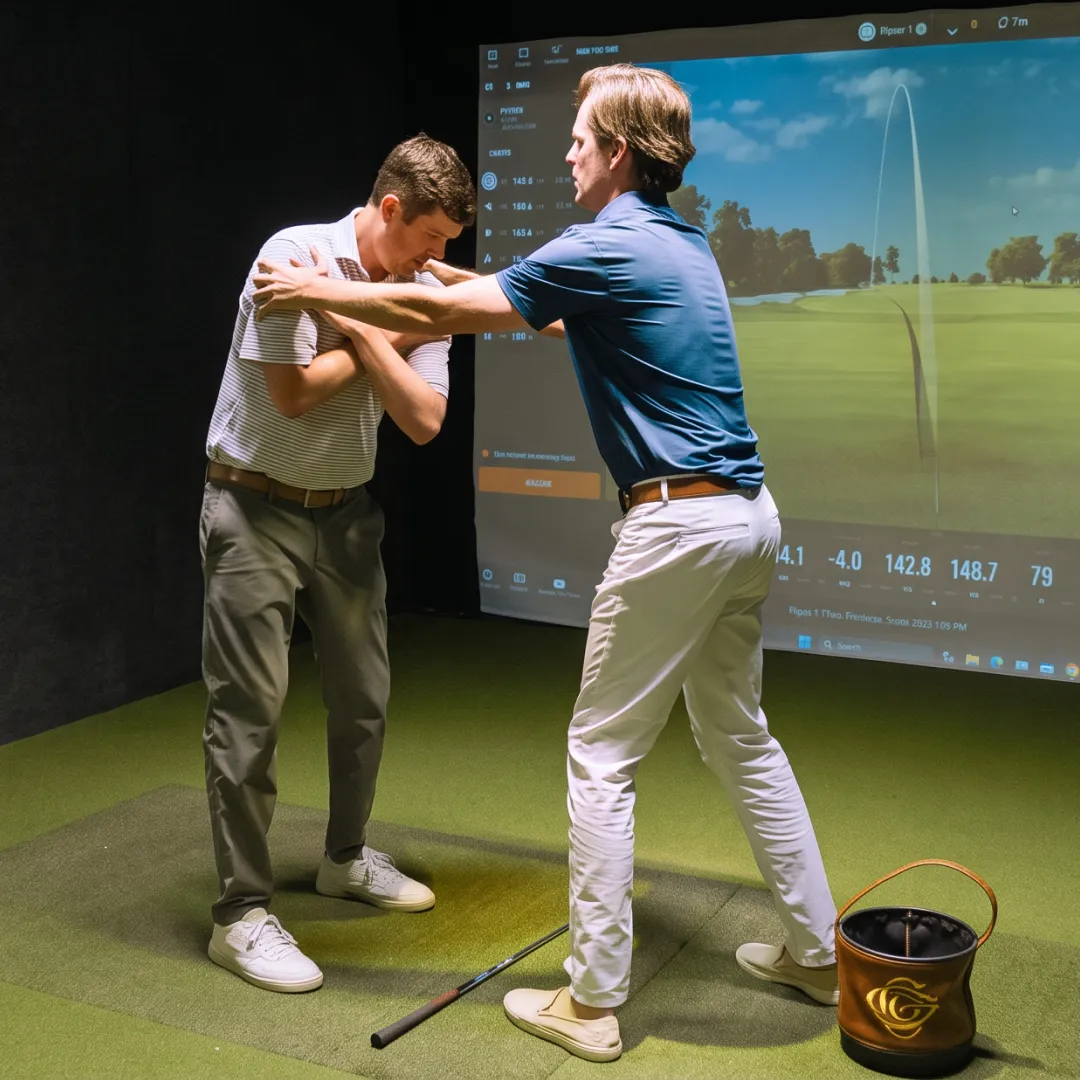
Built on Jonathan’s teaching and coaching background, City Golf Club helps every golfer understand how to use Trackman to improve. Rather than simply presenting numbers, coaches work collaboratively with players to uncover what is producing the data and turn those insights into a clear, personalized game plan that accelerates learning. Jonathan sees Trackman’s ongoing investment in new features, virtual courses and player-development tools as a lasting advantage for City Golf Club — strengthening the customer experience today while creating new opportunities for the future.
“Opening a facility with Trackman brings credibility and validation to the brand with a proven track record in the golf space. Then you can bring expertise and shape what you want the business to be.”
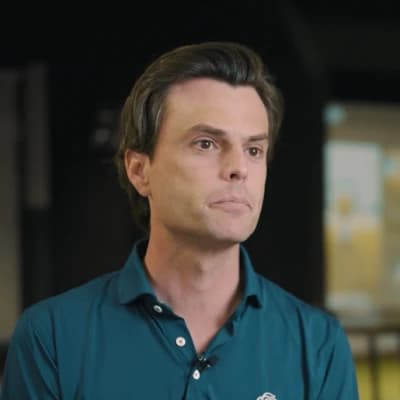
Jonathan Buchanan
Founder and CEO of City Golf Club, PGA of America Member
Passing On
a Love of Golf
After discovering golf in his mid-20s, PGA of America Member Travis Lynch became so passionate about the game that he pursued a career in the industry. Teaching juniors gave him the opportunity to pass that passion on — helping young players have fun, develop as athletes and grow through golf.
When Improvement is Engaging
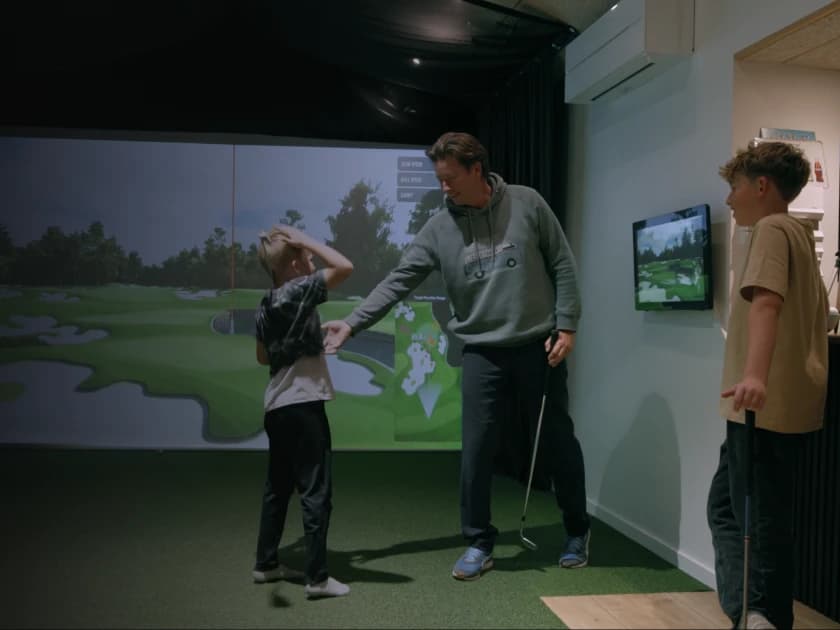
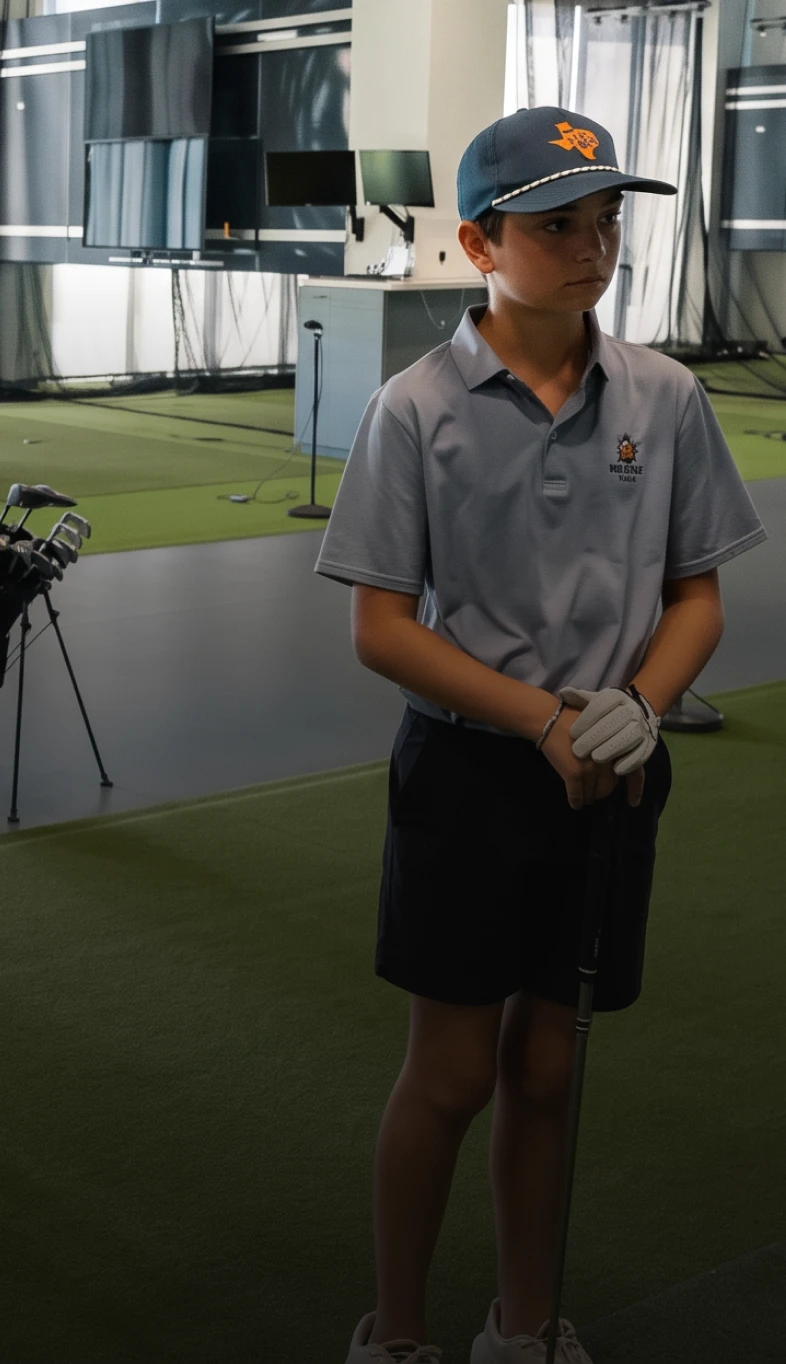
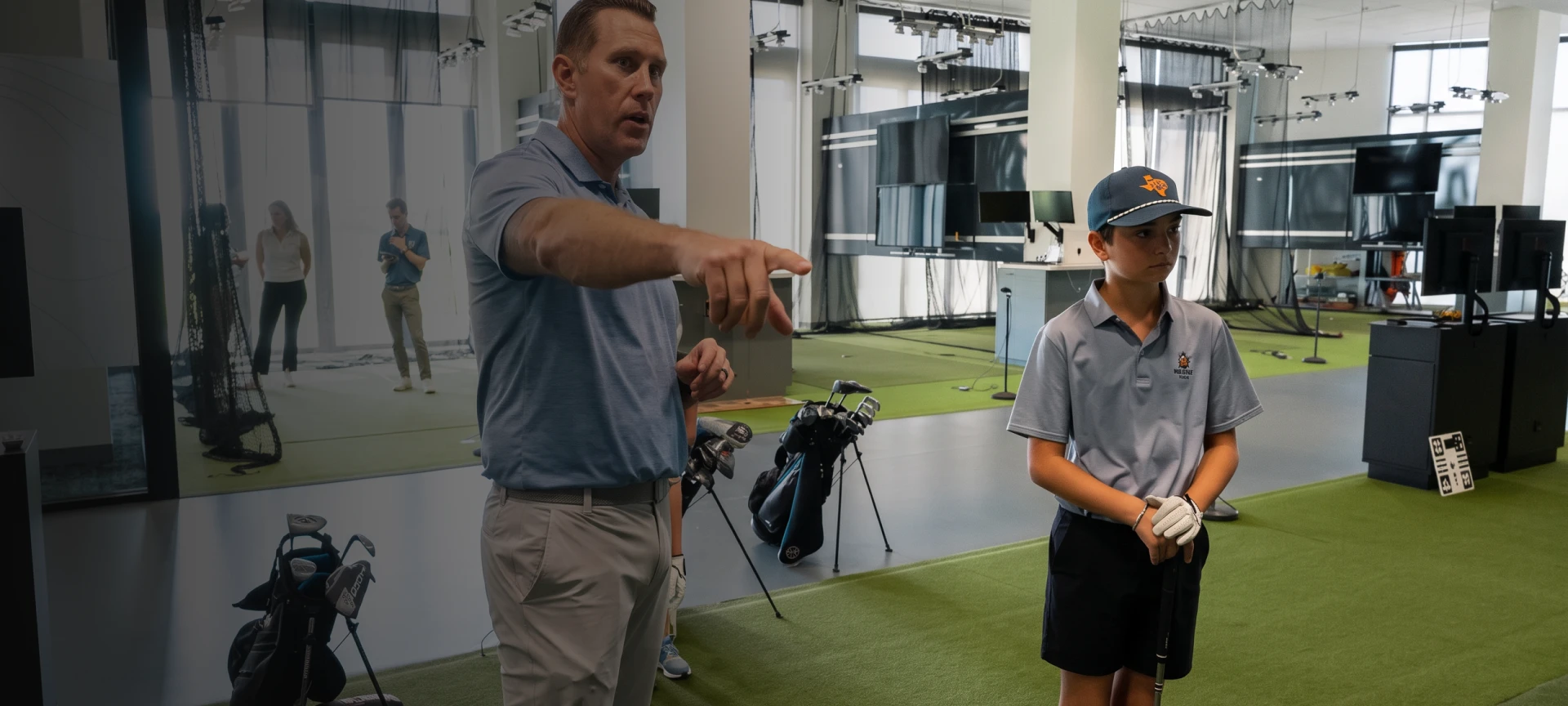
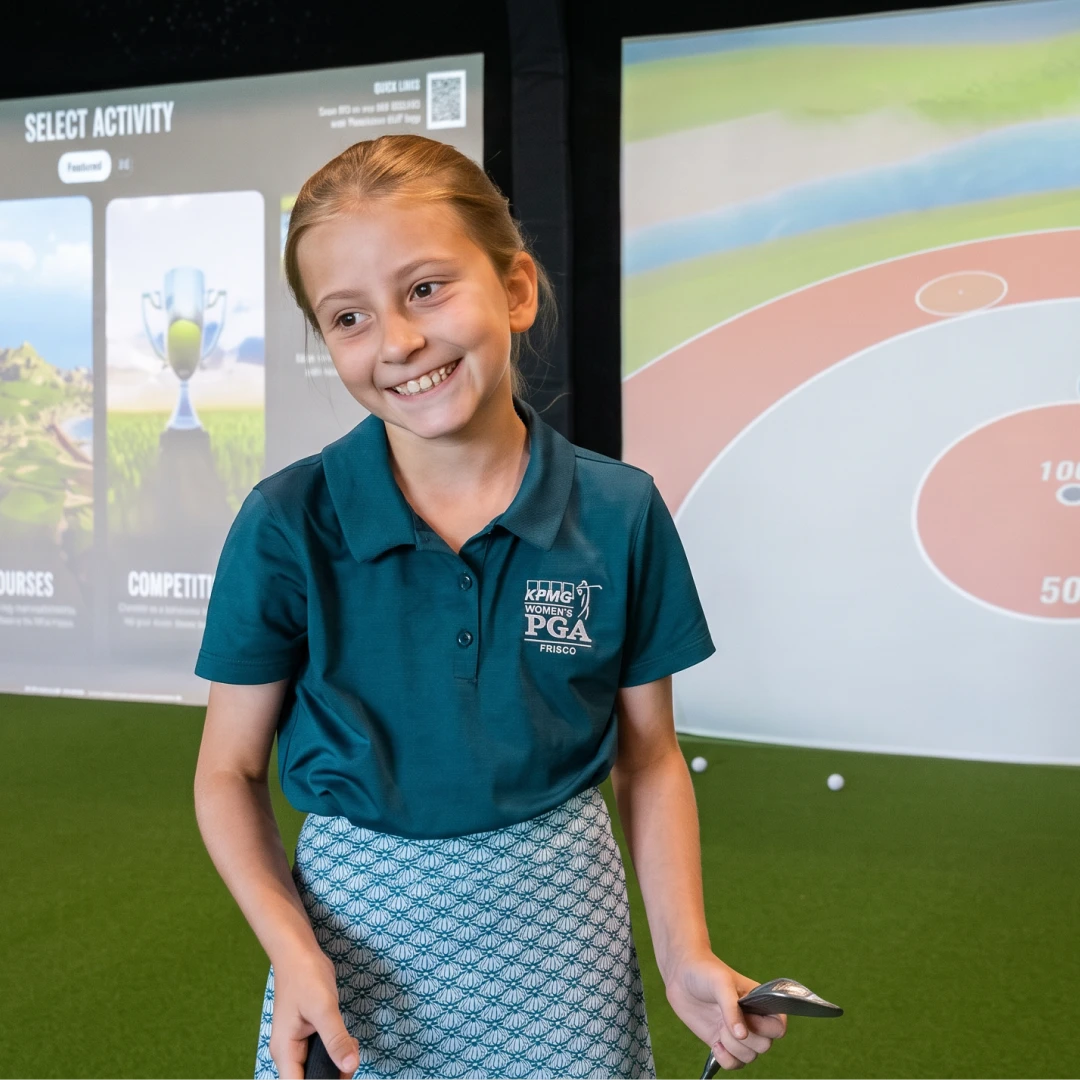
When Travis opened his own academy, Trackman introduced a new way to teach young golfers. Games, challenges and visual feedback capture their attention, while measurable data gives them clear goals and helps turn improvement into something they can see and understand. But the greatest reward is seeing young players discover what they can achieve and develop a lasting love for the game.
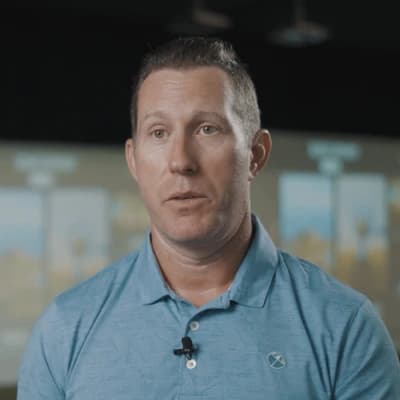
“When they hit the ball the best they possibly can, and they haven’t had that moment before, they turn around with that look in their eyes: ‘Yes, I did that.’ That’s always the proudest moment.”
Travis Lynch
Director of Instruction at Travis Lynch Golf, PGA of America Member
Finding the Edge
at the Elite Level
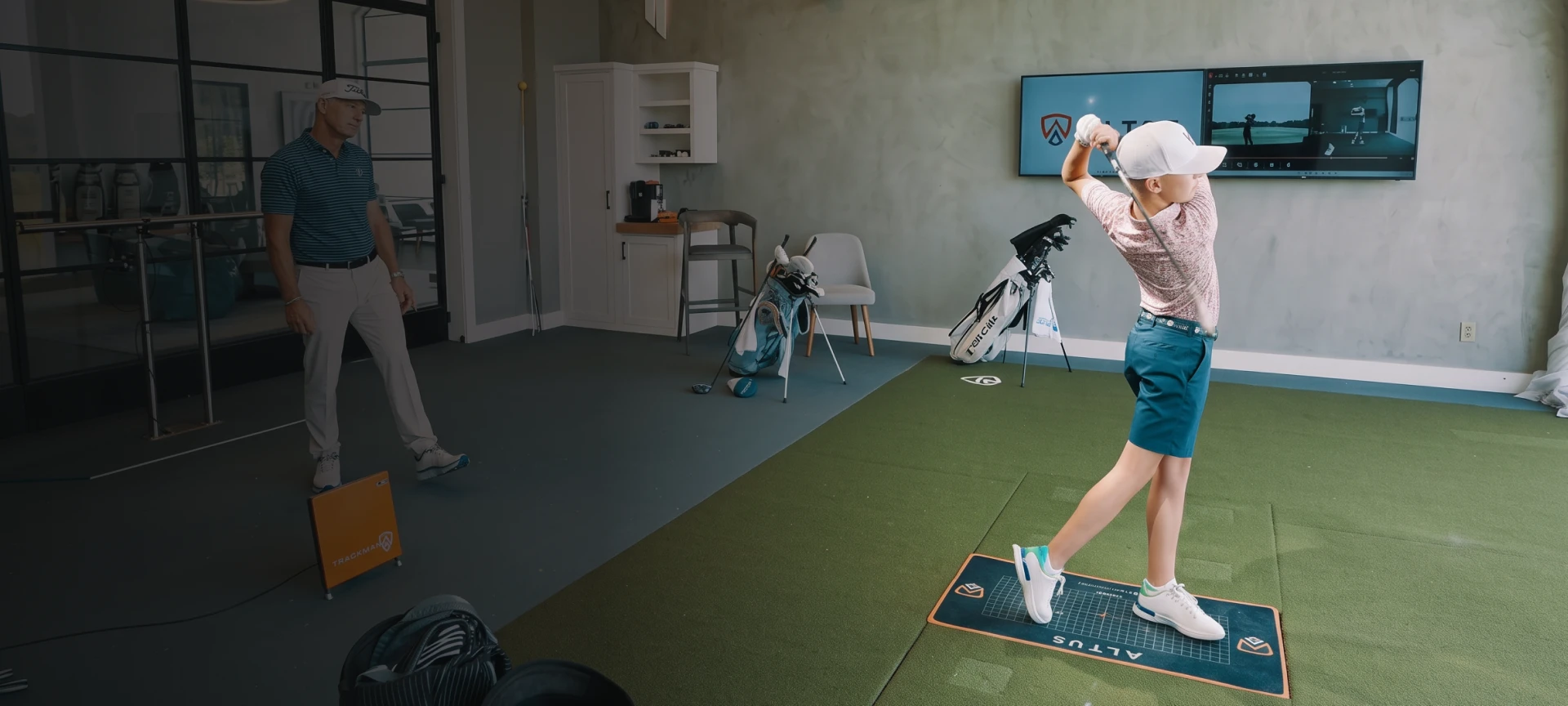
After pursuing a career as a professional golfer, PGA of America Member Cameron McCormick realized his future in the game lay elsewhere. A job at a local club introduced him to teaching, and the experience of helping players achieve something new revealed the career he wanted to pursue. He has since coached three-time major champion Jordan Spieth and more than a dozen PGA TOUR and LPGA Tour players.
Where Every Margin Matters
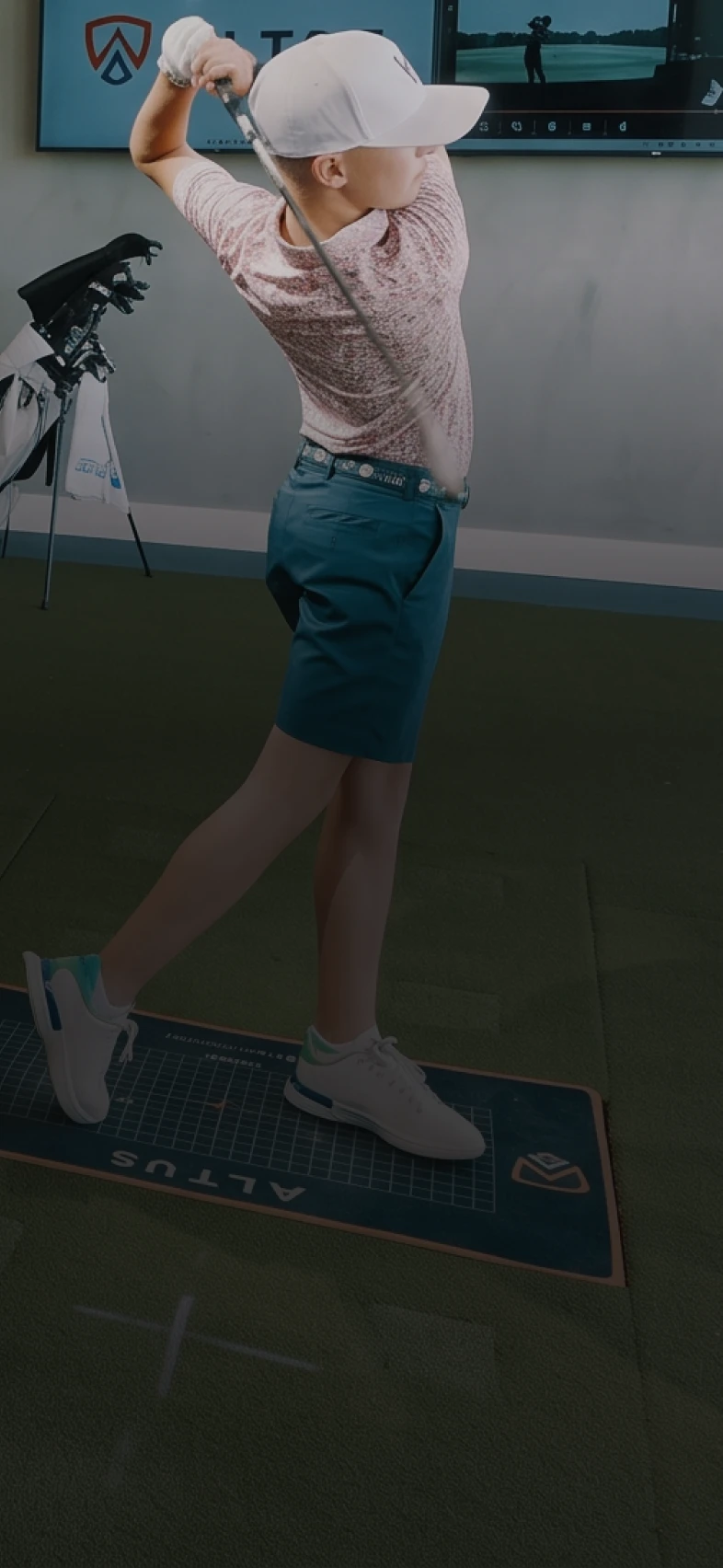
At the elite level, improvement often depends on identifying the small factors limiting performance. Trackman gave Cameron the ability to measure the critical moment of impact and understand why the ball behaves as it does. That objective feedback helped transform coaching from an approach shaped by personal preferences into one grounded in measurable principles. Before that, Cameron says, coaching was a whole bunch of guesswork.
“It was transformative, because it’s an ability to measure something that happens in a ten-thousandth of a second — that’s the most critical thing that differentiates beginner from average, from good, from great, from elite.”

Cameron McCormick
Owner and Head Coach of Altus Performance, PGA of America Member
Progressing the
Art of Coaching
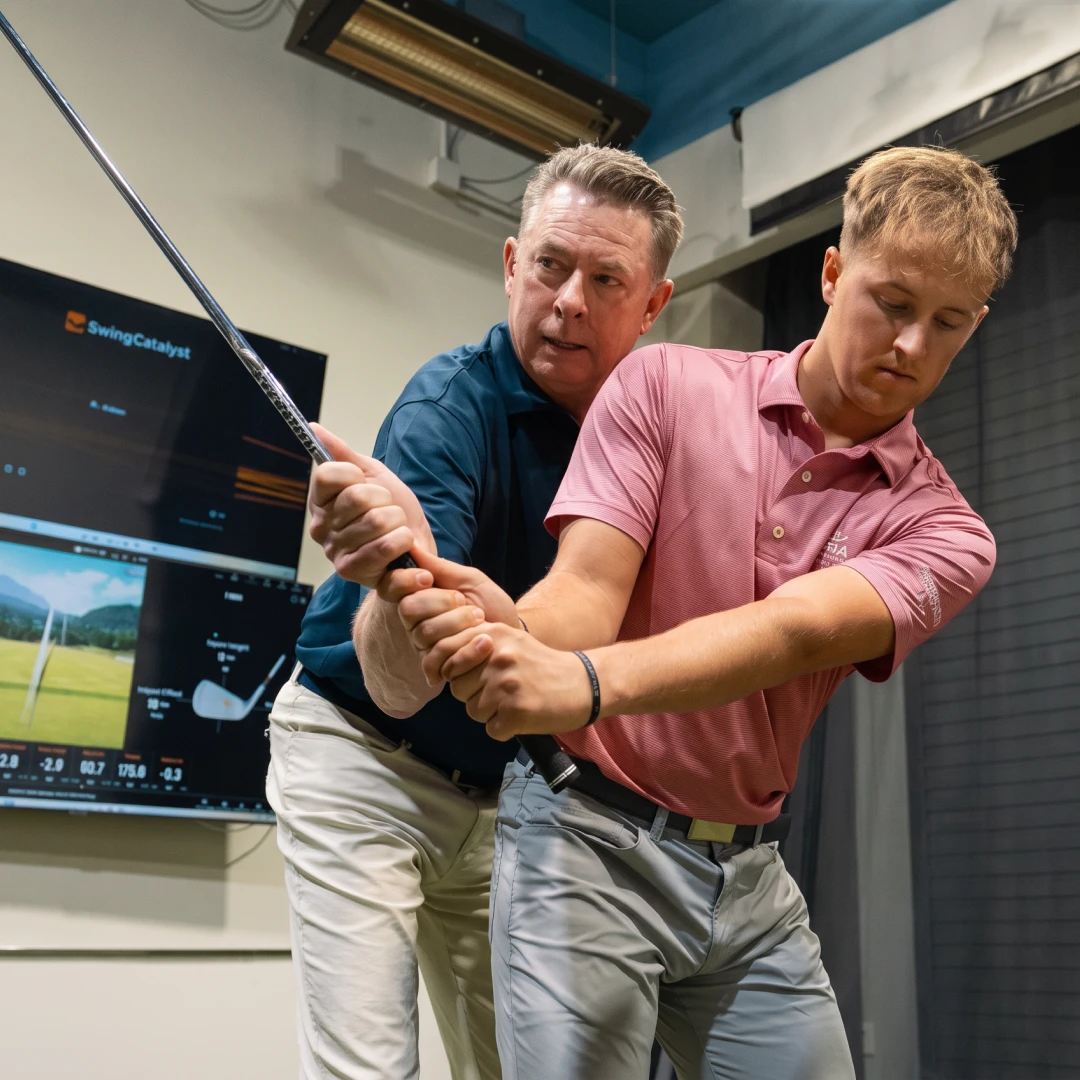
As technology and game analytics become increasingly influential, Eric Hogge believes coaches will be able to identify what matters most for each player and accelerate improvement. But data alone is not enough — the coach’s ability to interpret that information and communicate it clearly will remain essential.
“Technology is not moving slower — it’s moving faster. It’s going to be more of a player in our sport in the next 5-15 years. Being able to interpret that information and deliver it to a student in a language that makes sense to them — that’s the art of coaching.”
Eric Hogge
Senior Faculty Member, PGA of America


The Next Generation
Is ahead of the game
Today’s emerging PGA Professionals bring more knowledge and a natural fluency with technology into their careers. For Tim Cusick, Trackman supports how this generation learns — helping them understand the game, develop as coaches and build on the progress of those who came before them.
“You can go anywhere in the world and set up shop and be a teacher. I do feel that a golf professional has to have the ability to teach the game of golf. That's what we're here for: to grow the game.”
Tim Cusick
Head Coach, PGA of America Coaching Center